Our Services






Specialized pediatric services
all within NeoPedCare
The operation of the medical center is based on the collaboration of doctors with experience in different pediatric subspecialties, so that every child and every family receives comprehensive, scientifically documented and personalized care.

Neonatology
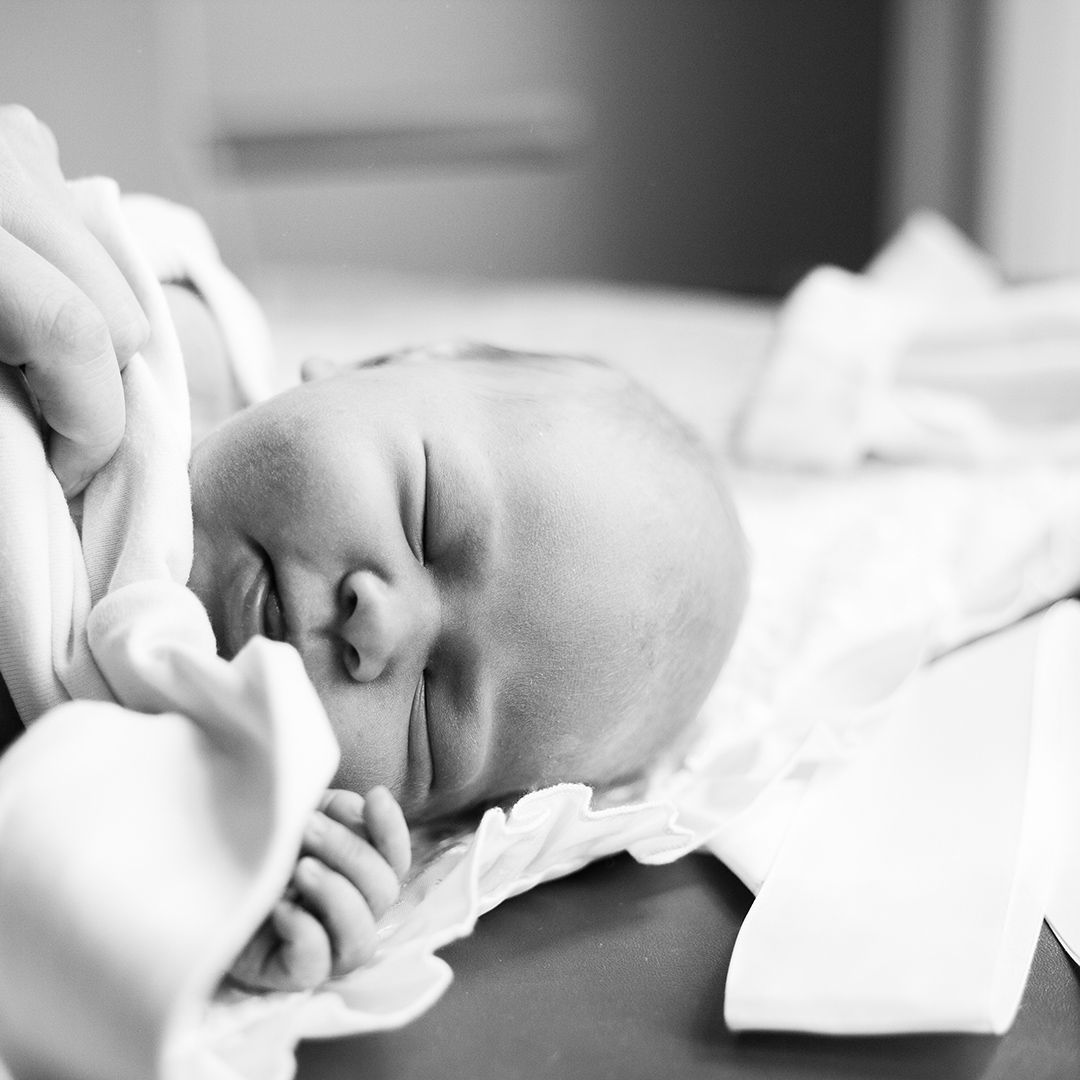
Neonatology care at NeoPedCare is addressed to newborns, premature or full-term, as well as newborns who need more specialized monitoring after birth or after hospitalization in a Neonatal Unit.
The goal is the safe monitoring of development, prevention, the early recognition of possible difficulties and meaningful guidance for the family during the first stages of the child’s life.
Neonatology Services
- Prenatal counseling for future parents
- Monitoring of premature, full-term or newborns with complex medical problems
- Monitoring of newborns hospitalized in a Neonatal Unit
- Monitoring of physical and neurodevelopmental growth
- Clinical examination of newborns
- Weight and growth monitoring
- Nutritional advice
- Guidelines for safe newborn care
- Proper hygiene practices and infection prevention
- Family support
- Breastfeeding support
- Nutrition and introduction of solid foods
- Neurodevelopmental monitoring of full-term and premature newborns
- Painless jaundice measurement with transcutaneous method
- Pulse oximetry for oxygen saturation monitoring
- Otoacoustic emissions
- Eye examination with ophthalmoscope — Red Reflex Test
Pediatric Allergology
The pediatric allergology department deals with the diagnosis, monitoring and treatment of allergic manifestations in infants, children and adolescents.
Allergies in children may appear in different ways, such as skin symptoms, respiratory problems, nasal manifestations or reactions to foods and medicines. Proper assessment helps with early diagnosis, appropriate guidance for parents and the improvement of the child’s daily life.

Skin allergic manifestations
- Atopic dermatitis
- Urticaria
Respiratory and nasal allergic manifestations
- Allergic rhinitis
- Allergic bronchial asthma
Other allergic conditions
- Food allergies
- Drug allergies
- Counseling guidance for parents
- Monitoring of children with allergic predisposition or recurrent allergic symptoms
Pediatric Pulmonology
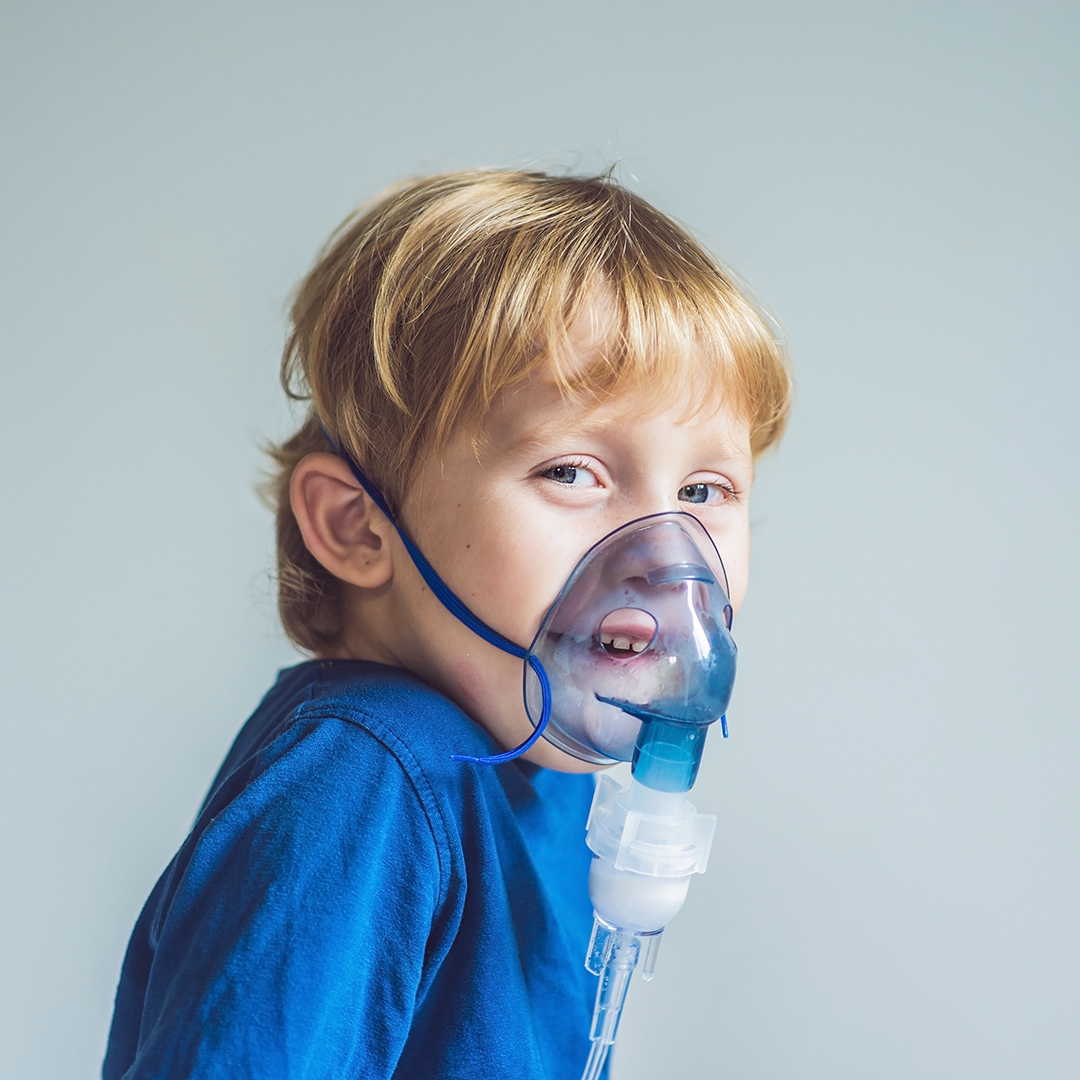
The pediatric pulmonology department deals with the assessment and treatment of respiratory problems in children and adolescents.
Early diagnosis and proper monitoring are important for children with chronic cough, bronchial asthma, frequent respiratory infections or symptoms that affect their breathing and daily life.
Pediatric Pulmonology Services
- Diagnosis and treatment of pediatric respiratory problems
- Chronic cough
- Bronchial asthma
- Respiratory infections
- Allergic bronchial asthma
- Pulse oximetry for oxygen saturation monitoring
- Spirometry for lung function assessment
- Nebulization of medication where required
- Assessment and guidance in acute respiratory cases
- Counseling guidance for parents
Pediatric Surgery
The pediatric surgery department concerns the diagnosis, management, monitoring and counseling of surgical conditions in newborns, infants and children.
At NeoPedCare, the initial pediatric surgical assessment, monitoring and guidance of parents are carried out, aiming at the correct diagnosis and the selection of the appropriate therapeutic approach, when required.
Surgical procedures are performed, when indicated, either with an open method or with laparoscopic technique, according to medical indications.
Conditions of the head, face and neck
- Dermoid and epidermoid cysts
- Moles
- Short lingual frenulum — ankyloglossia
- Ranula
- Preauricular fistulas and appendages
- Congenital torticollis
- Thyroglossal duct cyst
- Branchial cysts and branchial fistulas
- Hemangiomas
- Cystic hygroma and other types of lymphangiomas
- Cervical tumors
- Scalp lesions
Gastrointestinal system conditions
- Esophageal atresia
- Diaphragmatic hernia
- Acute abdominal pain
- Acute appendicitis
- Pyloric stenosis
- Duodenal atresia and stenosis
- Small intestine atresia
- Intussusception
- Congenital anorectal malformations
- Intestinal malrotation and fixation abnormalities — malrotation
- Constipation
- Congenital megacolon — Hirschsprung’s disease
- Meconium ileus
- Duplications of the gastrointestinal tract
- Gastrointestinal bleeding
- Meckel’s diverticulum
- Anal fissure
- Necrotizing enterocolitis
- Congenital liver and gallbladder conditions
- Spleen conditions
Conditions of the abdominal wall and coccyx
- Inguinal hernia
- Linea alba hernia — epigastric hernia
- Umbilical hernia
- Umbilical granuloma
- Rare anterior abdominal wall hernias
- Omphalocele
- Gastroschisis
- Patent omphalomesenteric duct
- Urachus
- Pilonidal cyst with Laser technique
Urogenital system conditions
- Hypospadias
- Phimosis
- Balanopreputial adhesions
- Hydrocele
- Spermatic cord cyst
- Cryptorchidism
- Varicocele
- Ovarian conditions
- Painful scrotum
- Testicular torsion
- Torsion of testicular appendage
- Epididymal cyst
- Hydronephrosis
- Vesicoureteral reflux
- Ureteropelvic junction obstruction
- Congenital malformations in kidney position and development
- Polycystic kidney
- Renal dysplasia
- Horseshoe kidney
- Duplicated pelvicalyceal system
- Ureterocele
- Megaureter
- Ureterovesical junction obstruction
- Posterior urethral valves
- Disorders of sex development
Special pediatric surgical conditions
- Solid and cystic tumors of childhood
- Skin conditions
- Vascular malformations and hemangiomas
- Burns
- Pediatric trauma
- Head and neck injuries
- Chest injuries
- Abdominal and pelvic injuries
- Laceration wounds
Pediatric Endocrinology
The pediatric endocrinology department deals with the diagnosis and monitoring of endocrinological and metabolic disorders in children and adolescents.
Hormonal disorders during childhood and adolescence may affect growth, weight, puberty, metabolism and the child’s overall health. Specialized pediatric endocrinology assessment helps with early diagnosis and proper therapeutic guidance.

Thyroid disorders
- Hypothyroidism
- Hyperthyroidism
- Hashimoto’s thyroiditis
Hormonal and developmental disorders
- Pituitary disorders
- Adrenal disorders
- Puberty disorders
- Precocious puberty
- Delayed puberty
- Menstrual disorders
Metabolic diseases and diabetes
- Obesity
- Type 1 diabetes mellitus
- Type 2 diabetes mellitus
- Hyperinsulinemia
Pediatric Neurology
The pediatric neurology department is addressed to newborns, infants, children and adolescents with neurological and neurodevelopmental issues.
The goal is the diagnosis, monitoring and therapeutic guidance of children who present symptoms or difficulties related to the nervous system, development, movement, behavior, sleep or learning.

Headaches and episodes
- Headache
- Migraine
- Migraine equivalents
- Benign paroxysmal torticollis
- Cyclic vomiting
Epilepsy and episodes of loss of consciousness
- Epilepsy
- Afebrile and febrile seizures
- Non-epileptic episodes of loss of consciousness
- Fainting episodes
- Breath-holding spells
- Syncopal episodes
Motor and neurological disorders
- Movement disorders
- Tics
- Stereotypies
- Tourette syndrome
- Skull disorders
- Microcephaly
- Macrocephaly
- Plagiocephaly
- Gait disorders
- Gait instability
- Toe walking
- Limping
- Cerebral palsy
- Muscle diseases
- Neurocutaneous diseases
- Genetic syndromes
Neurodevelopmental and behavioral disorders
- Developmental delay
- Motor delay
- Speech delay
- Autism spectrum disorders
- Attention deficit hyperactivity disorder — ADHD
- Sleep disorders
- Parasomnias

Thoughtfully designed care for every child and every family.
Through the collaboration of our doctors and the specialized approach to every case, we offer comprehensive pediatric care in a modern, friendly and safe environment.
book your next appointment now